1. Introduction: Energy Infrastructure in Transition
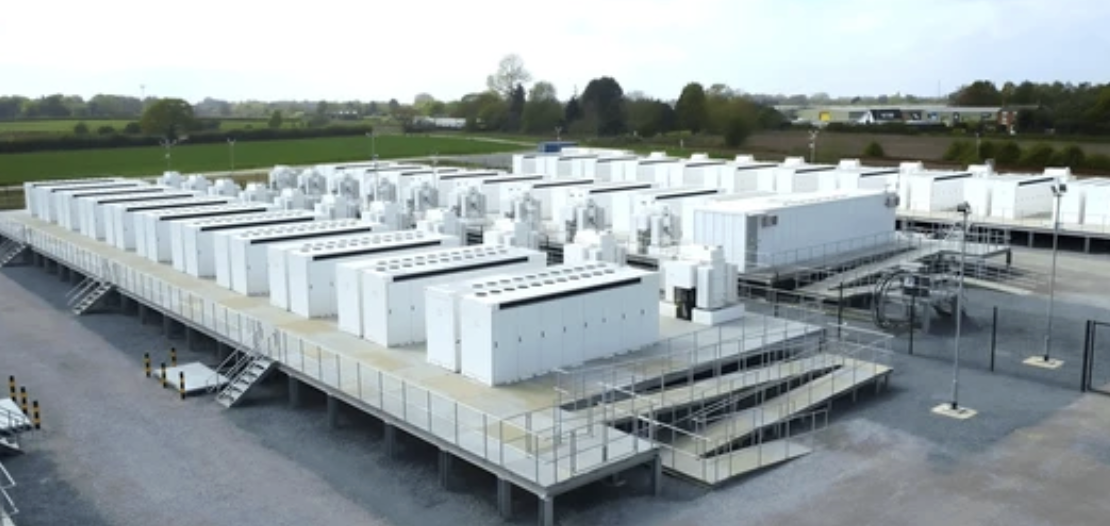
Global energy infrastructure is undergoing a fundamental transformation. As renewable energy sources such as solar and wind become increasingly integrated into national grids, Battery Energy Storage Systems (BESS) have emerged as a critical component for maintaining grid stability and continuity.
BESS installations compensate for fluctuations in energy generation, ensuring consistent output during peak demand or periods of reduced renewable production. As a result, the reliability of these systems has a direct impact on grid resilience and public safety.
2. Reliability Requirements for Battery Energy Storage Systems
Due to their critical function, BESS installations must operate with a high degree of reliability under a wide range of environmental conditions. Failures within energy storage infrastructure—particularly during low production cycles—can lead to regional power instability or outages.
Enclosures play a vital role in protecting battery systems, power electronics, and control units from environmental exposure and mechanical failure. For an enclosure to meet performance expectations, all components, including hardware, gaskets, and fastening systems, must be engineered to meet applicable international standards.
Baotai approaches enclosure hardware as an integral part of system-level reliability rather than a standalone component.
3. MFT: Environmental Protection for Enclosures
MFT defines requirements for enclosures intended for use in non-hazardous environments where protection against environmental factors is required. The standard addresses:
- Water ingress resistance
- Dust and particulate protection
- Corrosion resistance
- Gasket compression consistency
- Fastener and hardware performance
These requirements are particularly relevant for outdoor or semi-outdoor BESS installations exposed to pollution, moisture, and temperature variation.
4. Hardware Design Considerations Under MFT
Doors and access panels are typically the most vulnerable points of an enclosure. Achieving and maintaining consistent gasket compression is essential for compliance with MFT.
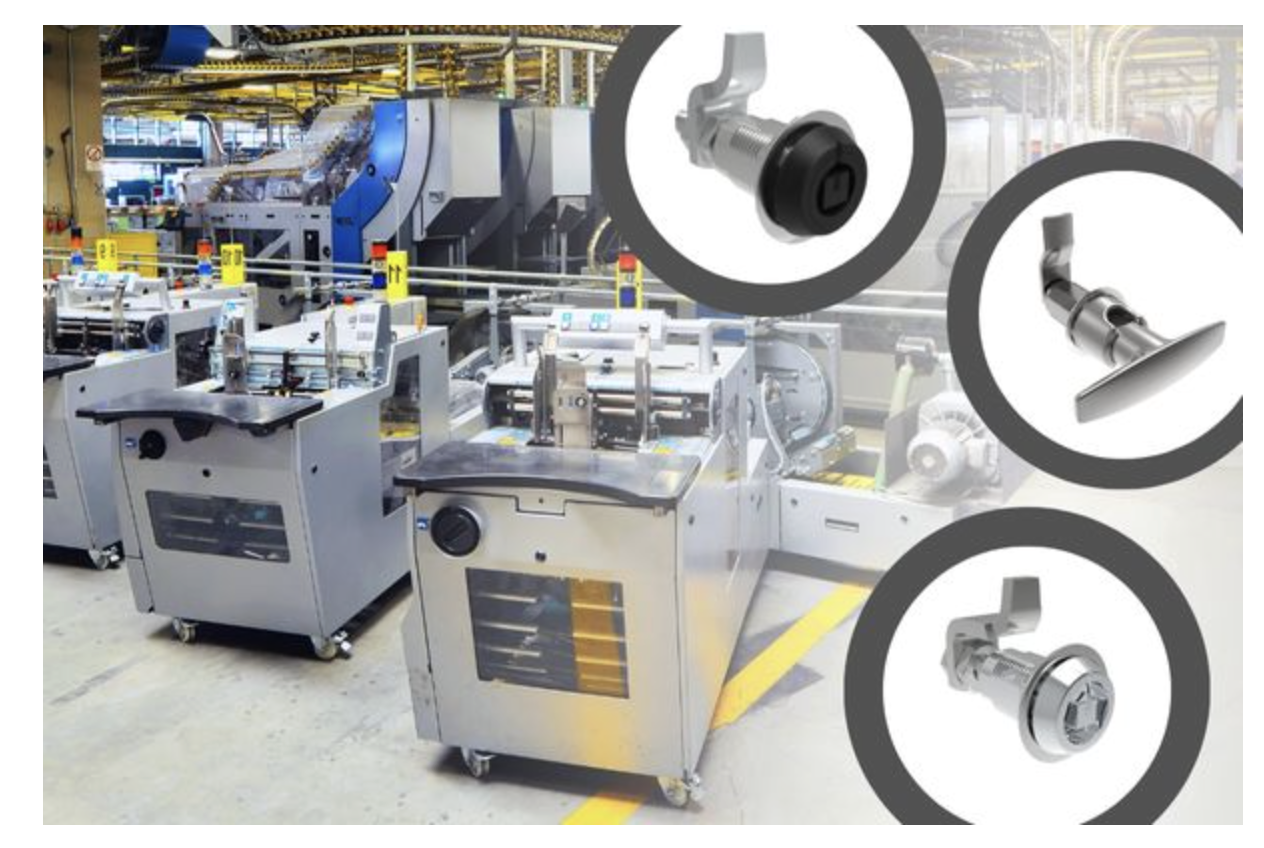
Compression latches, when properly specified, provide controlled sealing force between the door and enclosure frame. However, enclosure designers must consider the mechanical behavior of panels under load. Large or thin panels may flex when compressive force is applied, reducing sealing effectiveness at certain points along the gasket.
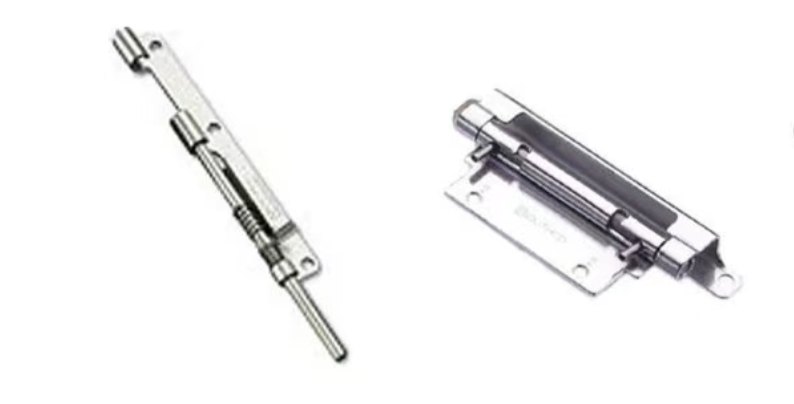
To mitigate this risk, multi-point compression systems can be employed. These systems distribute compressive force across multiple locations along the panel perimeter, reducing localized stress and minimizing panel deflection. The result is improved sealing integrity and greater tolerance to long-term mechanical fatigue.
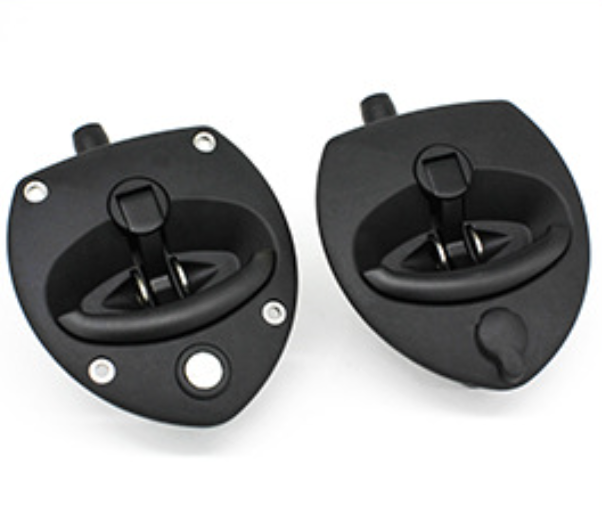
Baotai develops and supplies compression and multi-point hardware solutions designed to support these performance requirements.
5. Engineering for Long-Term Infrastructure Performance
As BESS deployments scale globally, long-term durability and standards compliance become increasingly important. Hardware selection must account not only for initial performance, but also for repeated access cycles, environmental aging, and structural stability over the system’s service life.
By aligning enclosure hardware design with recognized standards such as MFT, system integrators can reduce maintenance risk, extend enclosure lifespan, and improve overall system reliability.
Baotai continues to focus on engineering-driven hardware solutions that support the evolving demands of global energy storage infrastructure.
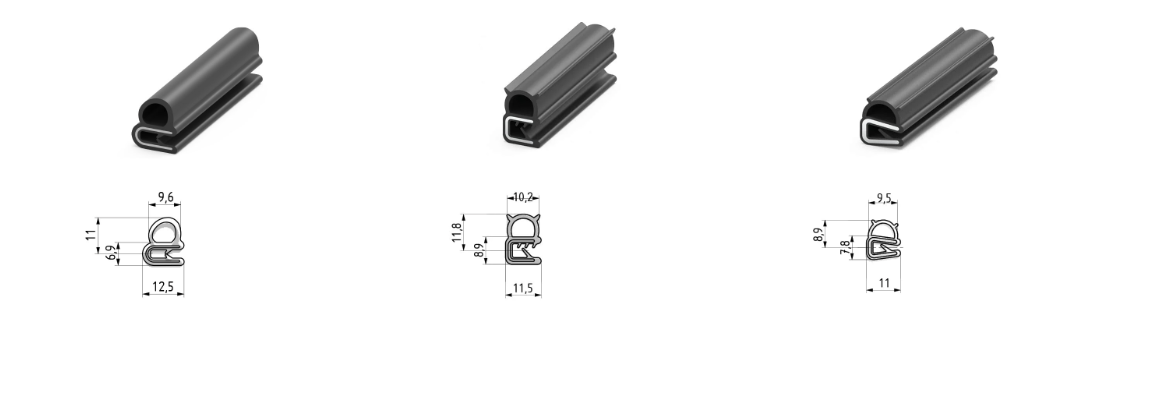
BT6089 001 MFT Series Rubber Gaskets | Multiple Industry Profiles | Compatible Sealing Solutions