Hinges control door movement, alignment, and service access. For industrial cabinets, hinge selection should be based on door weight, opening angle, mounting method, and operating environment.
Why are hinges important in industrial cabinets?
Hinges are sometimes treated as simple accessories, but they strongly affect cabinet performance. A poor hinge can cause door sagging, uneven gaps, noisy operation, or sealing problems. In equipment cabinets and industrial enclosures, hinges must support door weight while allowing safe and repeatable access.
Which hinge types are commonly used?
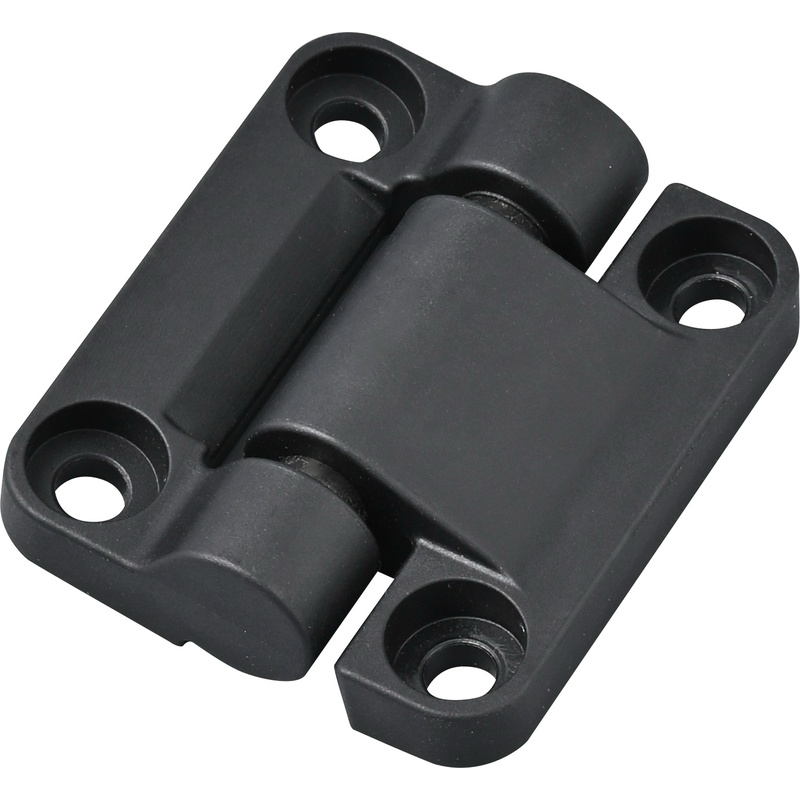
Common options include concealed hinges, external screw-on hinges, continuous or piano hinges, lift-off hinges, removable hinges, and torque or positioning hinges. Concealed hinges are useful when a cleaner exterior or improved security is needed. Lift-off hinges are useful when doors need to be removed during maintenance. Continuous hinges distribute load along a longer door edge.
How should a hinge be selected?
Start with door weight, door size, mounting surface, opening angle, material, finish, and environmental exposure. Then confirm whether the door requires removal, controlled positioning, or hidden installation. For outdoor or high-vibration applications, material and mounting strength should be checked carefully.
What should OEM buyers test before mass production?
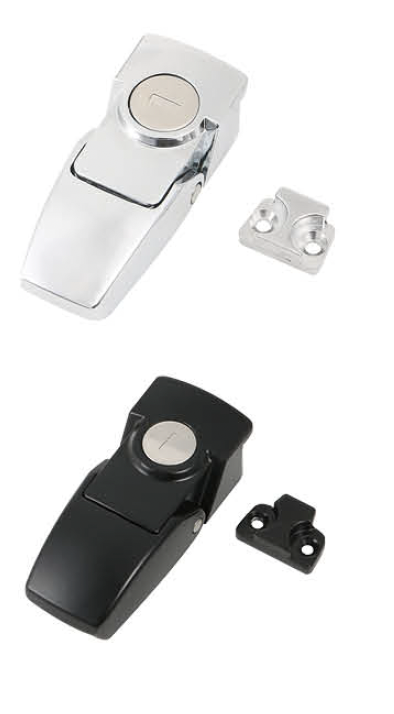
OEM buyers should test door opening feel, hinge alignment, gap consistency, load capacity, and compatibility with the selected latch and gasket. The hinge, latch, and seal work as one door system. If one part is selected without checking the others, the enclosure may have fit problems during assembly.
Frequently Asked Questions
What hinge is best for a heavy industrial cabinet door?
The best hinge depends on door weight, size, opening angle, mounting method, and environment. Heavy-duty external or continuous hinges are often considered for larger doors.
Are concealed hinges suitable for industrial enclosures?
Yes, concealed hinges can be suitable when the design requires a clean exterior, protected mounting, or improved security.
Why should hinges be tested with latches?
Because hinge alignment affects door closure, gasket pressure, and latch operation.