Swinghandle Locks for Server Racks and Electrical Cabinets
Swinghandle locks are useful for tall cabinet doors that need convenient operation and a more professional access solution. They can also work with rods or multipoint systems for better locking coverage.
What is a swinghandle lock?
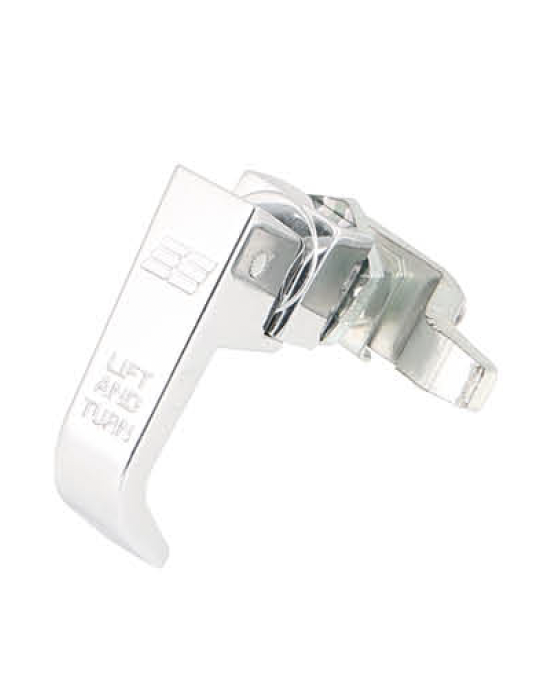
A swinghandle lock is a cabinet access solution where the handle folds into the door surface and swings out for operation. It is commonly used on server racks, electrical cabinets, telecom cabinets, control panels, and industrial enclosures. Compared with a small cam lock, it gives the user a larger grip and a more controlled opening action.
When should a multipoint system be considered?
A multipoint system is useful when the door is tall, flexible, or needs more even locking force along the frame. Rods and locking points can help secure the upper and lower areas of the door. This is important for server cabinets, power distribution cabinets, and large equipment enclosures where a single locking point may not be enough.
What should buyers confirm before ordering?
The key details are door height, panel thickness, cutout dimensions, rod length, locking direction, handle material, cylinder type, and whether left-hand or right-hand installation is needed. For OEM manufacturing, it is also important to confirm whether the lock must match an existing cabinet platform or a new design.
How can a swinghandle improve cabinet usability?
A swinghandle can make maintenance easier because technicians can grip and operate it more naturally. It also gives the cabinet a cleaner exterior appearance. In applications where doors are opened frequently, operation feel and durability matter. BAOTAI can support model selection based on door structure, access frequency, and project quantity.
Frequently Asked Questions
Where are swinghandle locks commonly used?
They are commonly used on server racks, electrical cabinets, telecom cabinets, and large industrial enclosure doors.
What is the benefit of multipoint locking?
Multipoint locking can improve locking coverage across tall doors and help reduce uneven door movement.
What project details are required?
Door height, panel thickness, cutout size, locking direction, rod requirement, material, and quantity should be confirmed.