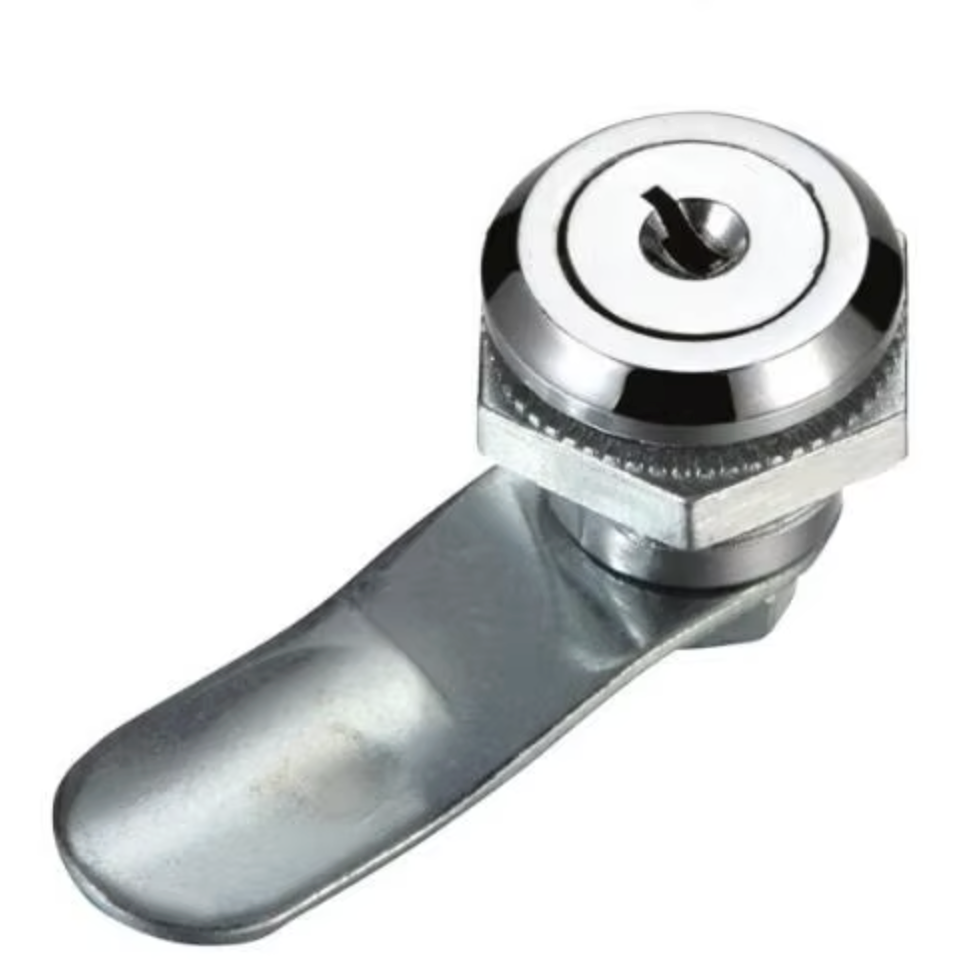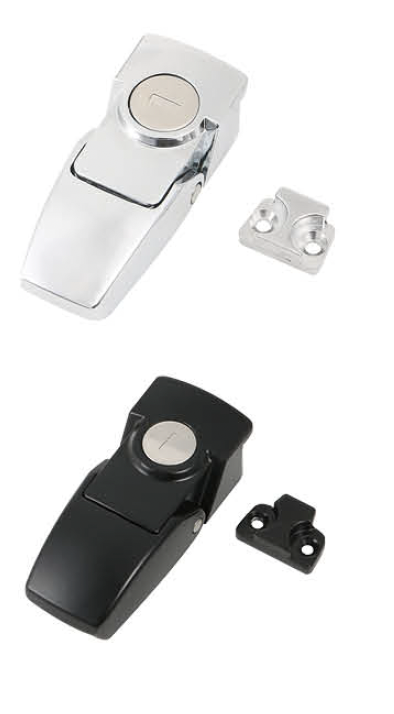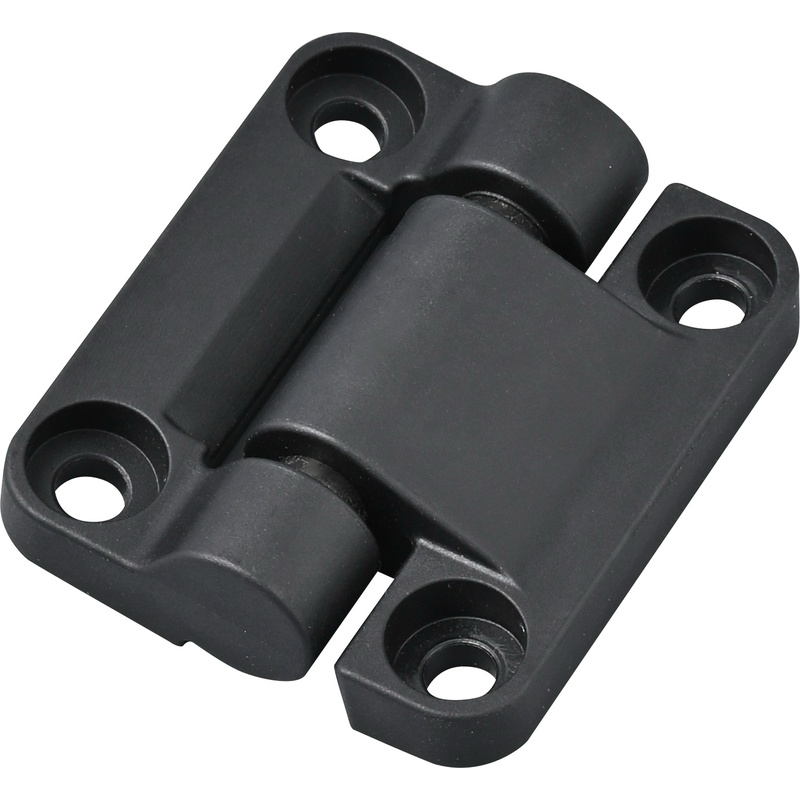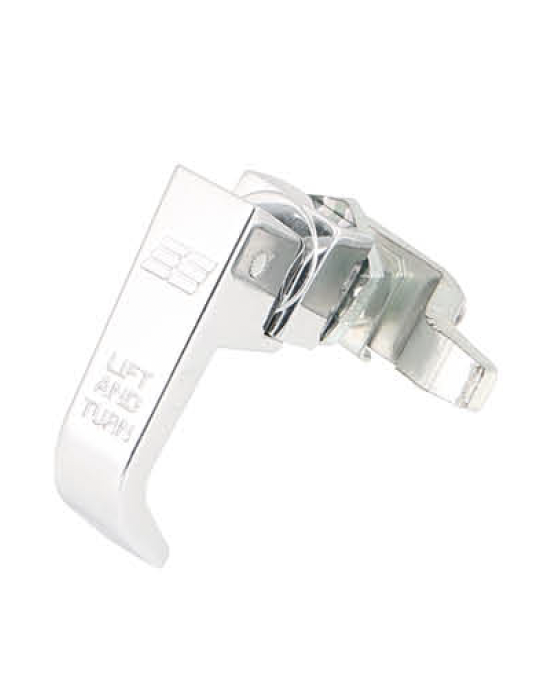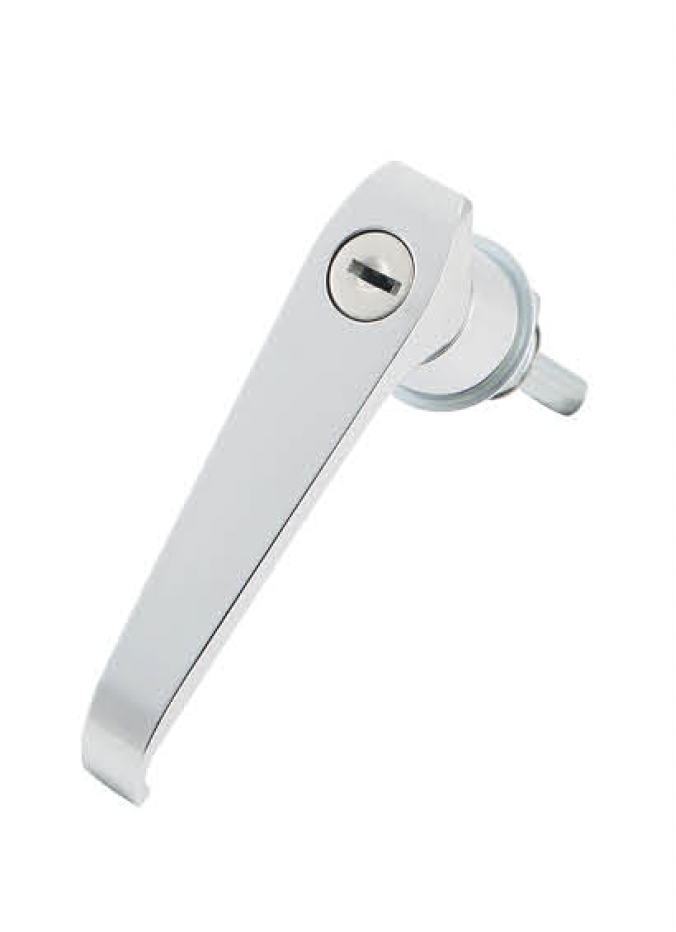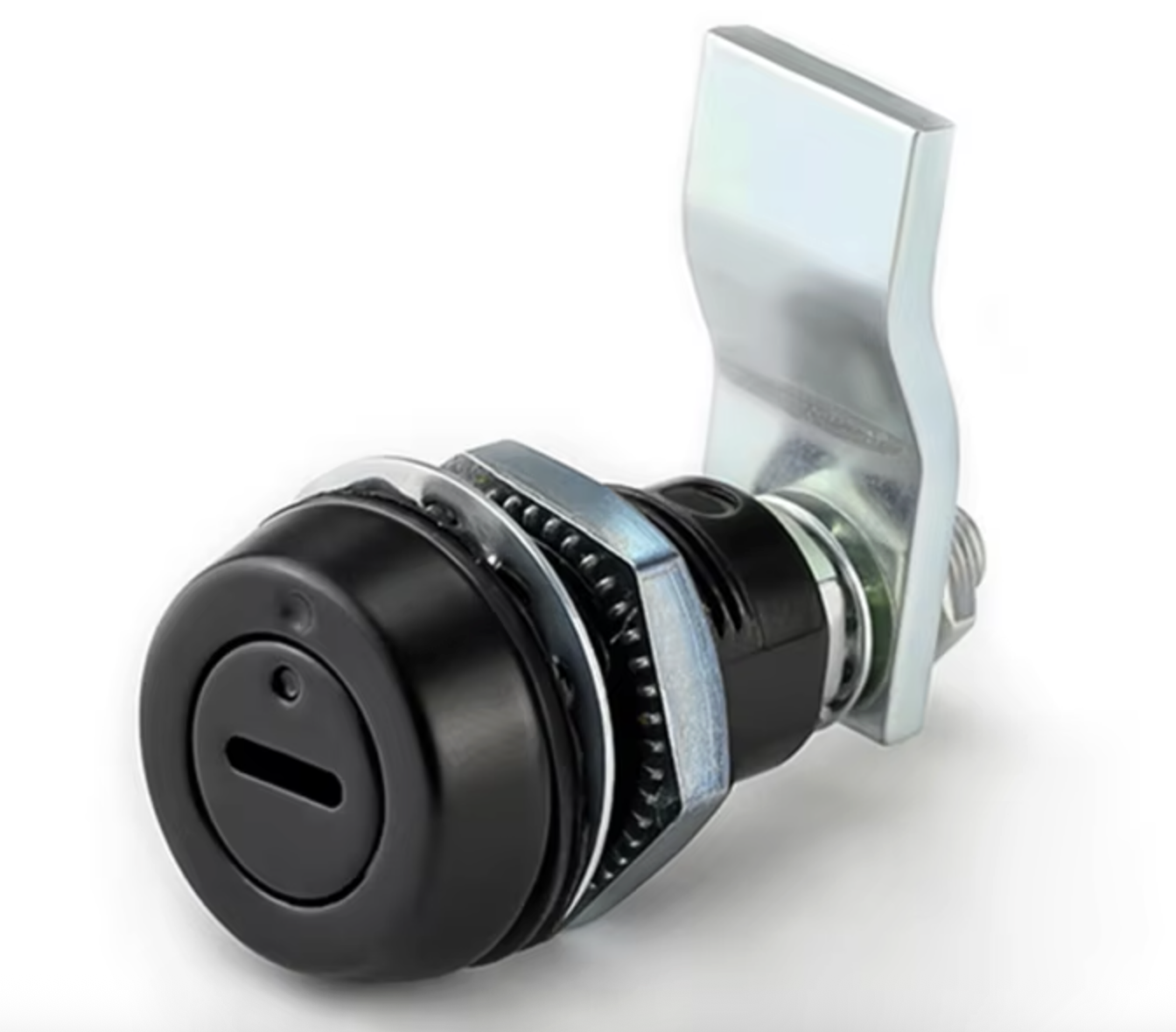
Cam locks are widely used in cabinets, enclosures, electrical boxes, and industrial equipment. Proper maintenance can significantly extend the service life of a cam lock and ensure smooth operation. Below are some practical maintenance tips.
1. Operate the Lock Properly
During daily use, operate the handle gently and allow the spring bolt to retract smoothly before opening or closing the door. Avoid slamming the door or applying excessive force, as this may shorten the lifespan of the cam lock.
When cleaning the lock or handle, do not use a wet cloth. Moisture can cause rust on metal parts, and on zinc alloy locks it may damage the protective coating, affecting the appearance.
2. Lubricate the Moving Parts
Apply a suitable lubricant to the rotating parts of the cam lock to ensure smooth movement and reduce wear. It is recommended to inspect the lock every 6–12 months and check whether any fastening screws have become loose. Tighten them if necessary.
3. Maintain the Lock Cylinder
If the key becomes difficult to insert or remove, apply a small amount of graphite powder or pencil powder into the key slot to improve smoothness.
Avoid using oil-based lubricants inside the lock cylinder, as grease may stick to the internal springs and prevent the cylinder from rotating properly.
4. Check the Installation Alignment
Regularly check the tolerance clearance between the lock cylinder and the locking plate to ensure proper alignment.
The recommended clearance between the door and the door frame is 1.5–2.5 mm. If the gap changes over time, adjust the hinges or the locking plate position to restore proper alignment.
5. Clean the Lock Correctly
If dust or dirt accumulates on the lock surface, wipe it gently with a dry cloth. Avoid using chemical cleaners or detergents, as these may damage the protective coating and cause discoloration.
6. Avoid Excessive Force
When operating the main latch or safety spring bolt, do not apply excessive force. Many doors have sealing strips between the door and frame that create resistance. If the handle or key feels tight when opening, gently push or pull the door to release the pressure instead of forcing the lock. This helps prevent damage to the lock mechanism.